
Discover India’s December 2025 tech boom: AI healthcare, budget 5G phones, cybersecurity threats, and startup success stories reshaping innovation.
Introduction: India’s Tech Renaissance Moment
You know that feeling when something just clicks? That’s what’s happening with Indian tech right now. December 2025 isn’t just another month in the calendar—it feels like a turning point, especially if you’re a student, young professional, or creator trying to ride the tech wave instead of being crushed under it.
While the global headlines obsess over which model is smarter or which Big Tech CEO said what, something more grounded is unfolding here: affordable innovation actually solving real problems. India now has well over 800 million smartphone users, making it one of the largest connected populations on the planet, and that connectivity is driving both opportunity and risk in ways that are hard to ignore.
What’s different about 2025 is how three forces are colliding at once: powerful AI tools are becoming cheap and accessible, truly capable 5G smartphones are falling under the ₹20,000 mark, and cyberattacks are scaling up with the same AI that powers your favorite apps. A college student in Pune can prototype an AI app in a weekend, a rural clinic in Uttar Pradesh can run early disease predictions using a tablet, and at the same time, a phishing email that looks “too real” might be waiting in someone’s inbox.
In this post, you’ll get a snapshot of what’s happening right now in Indian tech: AI in healthcare, the best budget phones actually worth buying, rising cybersecurity threats, the global AI arms race that somehow benefits Indian developers, and a couple of success stories that prove you don’t need to be in Silicon Valley to build something meaningful. Think of this as your December 2025 tech check-in—minus the boring jargon, plus the stuff that actually affects your daily life.
AI Healthcare: Clinics Powered by Algorithms

India’s healthcare problem is brutally simple: way too many patients, not nearly enough doctors—especially in rural areas where doctor-to-patient ratios can be several times worse than WHO recommendations. AI is stepping in not as a fancy buzzword, but as a practical bridge between patients and overloaded medical staff.
Recent updates in 2025 show AI being used in India for disease risk prediction, radiology image analysis, and triaging patients based on severity, especially in public hospitals and pilot projects in tier-2 and tier-3 cities. For example, AI tools are being tested to flag early signs of conditions like tuberculosis or diabetic retinopathy from scans and images, giving doctors a prioritized list of high-risk patients instead of a random queue.
What makes this powerful for India is data. Indian hospitals and clinics generate massive volumes of health data, and when anonymized and used to train AI models, these systems become better at understanding local disease patterns, lifestyles, and genetic variations than generic “global” tools. The flip side? There are still huge concerns around data privacy, consent, and bias—especially when dealing with marginalized communities who may have no idea their data is being used to train algorithms.
Budget Smartphones Under ₹20,000: Power for the Masses
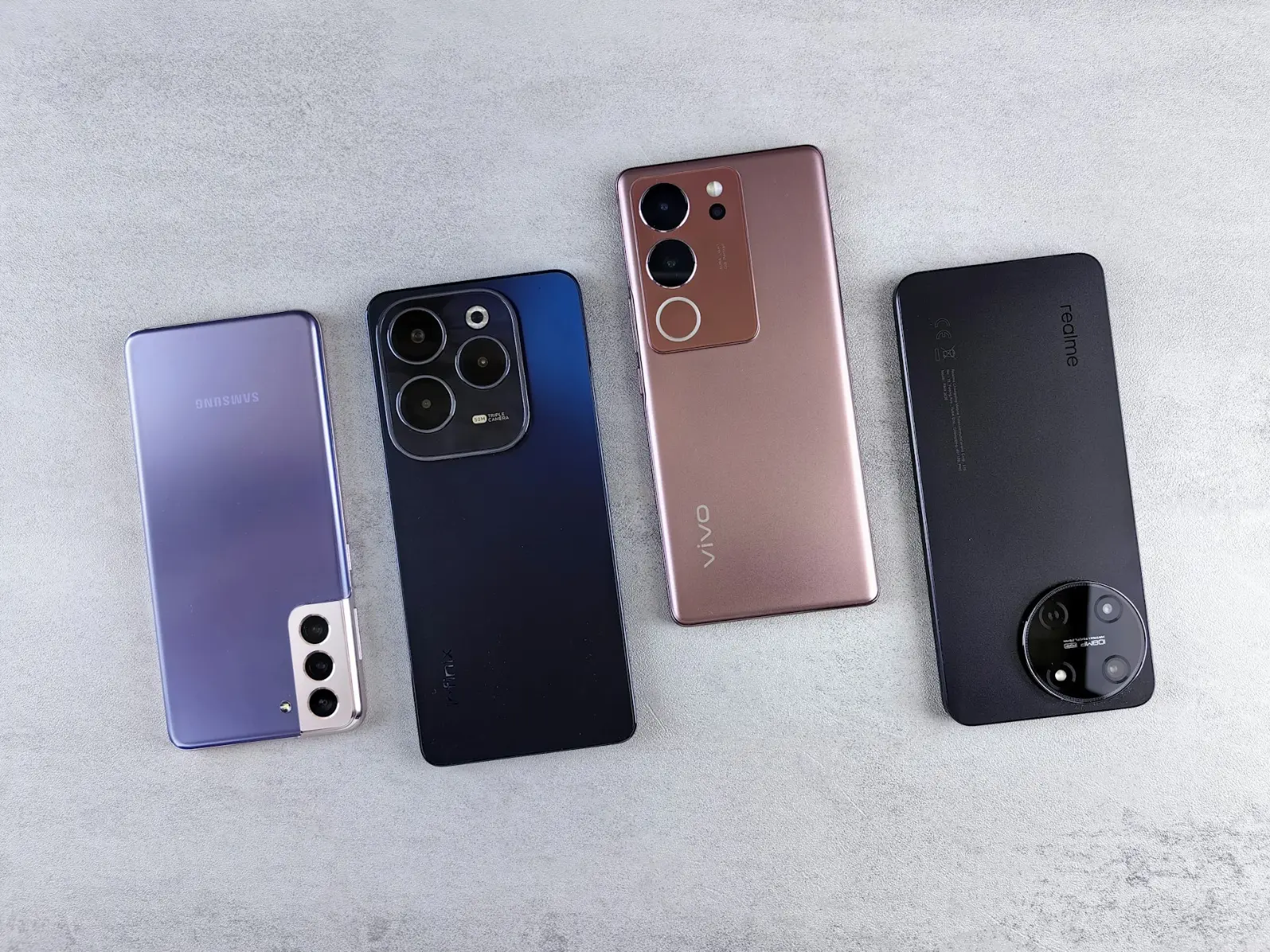
If you’re shopping for a new phone right now, the sweet spot in India is firmly in the sub-₹20,000 range. 2025 has been a big year for ultra-budget and midrange Android devices globally, but India’s competition is especially fierce, with brands pushing 5G, big batteries, and AMOLED screens into price brackets that used to mean compromises everywhere.
Recent buying guides and roundups from Indian tech sites highlight several standouts under ₹20,000 that balance performance, cameras, and long-term software support. You’ll see consistent mentions of models from Samsung, Realme, Motorola, and newer sub-brands that focus on value rather than flashy flagships. Many of these devices now offer 5,000mAh batteries, 120 Hz displays, and midrange chipsets capable of casual gaming and content creation.
Here’s a sample-style overview inspired by current recommendations and pricing trends:
| Phone Model (example set) | Approx. Price Range (₹) | Best For | Key Highlight |
| Samsung Galaxy F-series (2025 gen) | 15,000–18,000 | Long-term use | Multi-year Android/security updates |
| Realme Narzo/Number series | 16,000–20,000 | Gaming, students | High-refresh displays, fast charging |
| Motorola midrange 5G | 17,000–20,000 | Clean Android lovers | Near-stock UI, good battery life |
Globally, reviews of cheap Android phones in 2025 note that ultra-budget devices are now matching or beating 2022 midrange phones in many real-world tasks, especially in markets like the US where carrier deals make them even more accessible. For Indian users, this means that a student can get a phone capable of editing videos, running AI-powered apps, and staying secure with the latest OS updates—all without going anywhere near flagship territory.
Cybersecurity in 2025: Smarter Attacks, Smarter Defenses

The same AI that’s summarizing your notes and fixing your grammar is also being used by attackers to craft better phishing emails, deepfake audio, and more convincing scams. Cybersecurity reports from 2025 highlight how threat actors are increasingly leveraging AI to automate and personalize attacks at scale.
Analyses of the 2025 threat landscape note several worrying trends: more sophisticated phishing that uses AI to generate flawless language, a rise in QR code–based scams, and targeted attacks on sectors like finance, healthcare, and critical infrastructure. Legal and consulting reports also emphasize that many organizations still underestimate social engineering, even as attack volumes and complexity increase.
For regular users in India and globally, a few habits matter more than any fancy antivirus suite: enabling multi-factor authentication on important accounts, updating devices promptly, being suspicious of “urgent” messages asking for logins or OTPs, and avoiding password reuse across services. Businesses are being urged to run more frequent training, adopt zero-trust approaches, and prepare for incident response rather than assuming they can prevent every breach.
Global AI Race: Tools Getting Cheaper and More Accessible
2025 has been called the “age of AI applications” because the focus has shifted from just building bigger models to actually integrating them into products across industries. Industry trackers and AI index reports show explosive growth in generative AI deployments in areas like marketing, software development, accessibility, and decision support.
One big theme this year is the rise of more efficient and sometimes more open alternatives to early proprietary systems, which lowers the barrier for startups and independent developers worldwide. AI reports and white papers highlight how cheaper inference, model distillation, and specialized hardware are making it possible to run capable models on consumer hardware or affordable cloud instances. This matters a lot for Indian founders and students because it reduces reliance on expensive API calls and high-end GPUs.
At the same time, research and commentary warn about governance gaps and growing concerns over who controls the most powerful models and infrastructure. Some policy and ethics papers published in 2024–2025 argue that over-privatization of AI capabilities could concentrate power, while others stress the need for stronger regulation to manage risks. For practical builders, the takeaway is: tools are getting better and cheaper, but using them responsibly—and with an eye on privacy and bias—is becoming part of the job description.
Data Centers, Chips, and the AI Hardware Battle
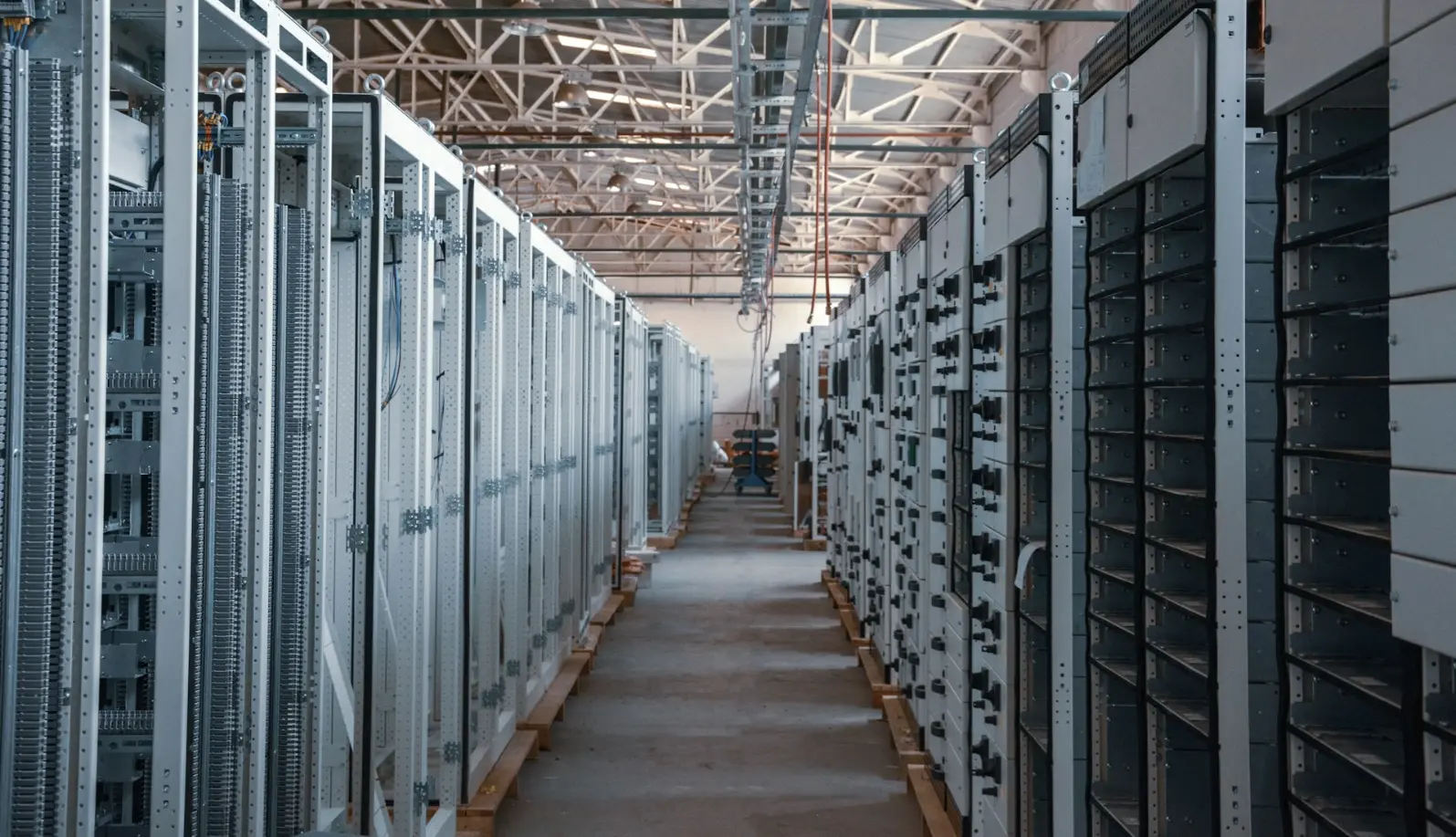
Under the hood of all these AI breakthroughs is a massive battle over chips and data centers. Nvidia has been the dominant force in AI accelerators, but 2025 has seen meaningful moves from other players, including custom silicon from companies like Google, which pushes its own tensor processing units (TPUs) in its cloud offerings.
Analyst reports on the AI hardware market project that demand for accelerators could push the sector into hundreds of billions of dollars by the end of the decade, with more competition expected from specialized chips and in-house designs by big tech firms. For India, this isn’t just abstract finance news: cheaper and more efficient AI hardware in cloud data centers can directly lower the cost of running AI workloads used by Indian startups, edtech platforms, and government digital services.
There are also concerns: as AI hardware becomes more central to economic and strategic power, countries are paying more attention to supply chains, export controls, and where data centers are located. Discussions about “digital sovereignty” and local data processing are increasingly visible in policy debates in regions including Asia. For Indian developers, the practical upshot is that cloud pricing, regional data centers, and availability of certain services may increasingly be shaped by geopolitics as much as pure tech.
Startup and Founder Stories: Building Real Things, Not Just Hype
Tech success stories in 2025 aren’t just about flashy valuations—they’re increasingly about resilience, thoughtful growth, and solving real-world problems. Collections of tech company success stories and founder interviews highlight companies that bootstrapped, focused on profitability, or tackled niche but critical problems in sectors like climate, education, and fintech.
Investor and founder forums across Asia in 2025 showcased startups working on climate-tech solutions such as land restoration and emissions tracking, as well as AI-powered tools in healthcare, logistics, and finance. These stories often emphasize long-term thinking over quick exits and point out how regional founders adapt global technologies to local contexts. Many of them also stress the importance of transparent communication with teams, sustainable hiring, and a clear mission—less “move fast and break things,” more “grow steadily and not break people.”
Lists of “next billion-dollar startups” compiled by business magazines this year include companies from multiple regions, signaling how global the tech opportunity has become compared to a decade ago. For students and young professionals in India, the lesson is straightforward: you don’t have to be in the US to build something world-class, but you do need to be very clear on the problem you’re solving and realistic about timelines.
FAQ
1. Is December 2025 a good time to buy a budget smartphone in India?
Yes. Current reviews show that phones under ₹20,000 in late 2025 offer strong performance, 5G, and long battery life, often rivaling midrange phones from just a couple of years ago.
2. Are AI-powered healthcare tools already being used in India?
AI is actively being piloted and deployed in areas like diagnostics, risk prediction, and medical imaging support within the Indian healthcare system, particularly in urban and large institutional settings.
3. How serious are cyberattacks in 2025 compared to a few years ago?
Cybersecurity analyses for 2025 indicate rising attack volumes, more sophisticated phishing using AI, and increased targeting of critical sectors like finance and healthcare.
4. Do I need to worry about AI governance as a regular user or student?
Directly, maybe not every day—but indirectly, yes. Decisions about AI governance affect data privacy, transparency, and access to tools you rely on for studying, creating, and working.
5. Can students in India practically use advanced AI models without huge budgets?
Yes. Cheaper cloud options, more efficient models, and in some cases open or lower-cost tools have made it far more accessible to experiment with AI for projects, startups, or content creation.
6. Are startups outside the US really competitive in this AI wave?
Very much so. Reports of global startup success stories in 2024–2025 show significant contributions from Asia, Europe, and other regions, especially where founders solve local problems with globally relevant tech.
Conclusion: Your Role in This Wave
India’s tech story in December 2025 isn’t just about charts and headlines; it’s about millions of people quietly changing how they work, learn, heal, and build. AI is slipping into clinics and classrooms, budget phones are powerful enough to be serious creative tools, and cybersecurity is no longer something only “big companies” worry about.
If you’re a student, creator, or young professional, this is both an opportunity and a responsibility. You can use these tools to level up your skills, launch side projects, or even start companies—but you also need to stay informed, protect your data, and think critically about the systems you’re helping build. The most exciting part? The next big success story in this ecosystem could easily come from someone reading this on a budget 5G phone in a small town.
If you enjoyed this breakdown and want more AI updates, tech news, gadget picks, and cybersecurity tips tailored for a global-but-Indian-first audience, make sure you stay connected.
Explore more at CyberDuniya.com